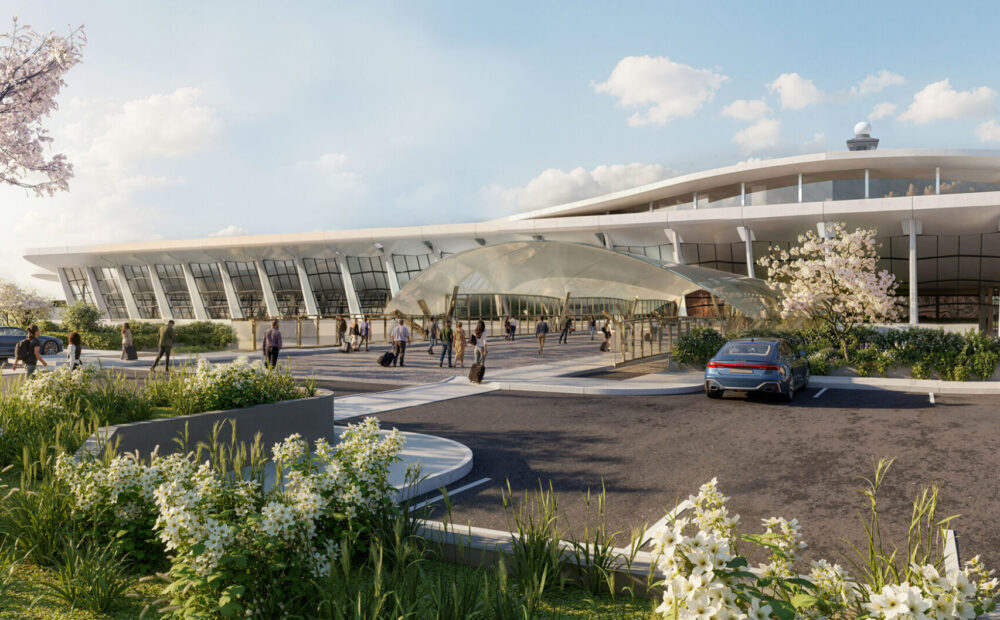
Washington Dulles International Airport is set for one of the largest aviation infrastructure upgrades in U.S. history. The Trump administration has announced a $22.5 billion modernization program to transform the 64-year-old airport into a larger, more efficient international gateway. The project will replace aging facilities, introduce advanced passenger transportation systems, expand terminal capacity, and reshape the future of aviation infrastructure in the Washington region.
A Major Transformation for Washington Dulles International Airport
The planned Washington Dulles Airport rebuild represents a complete modernization of the existing facility rather than a limited renovation project. President Donald Trump described the initiative as “essentially, a brand new airport” during the announcement at the White House.
Transportation Secretary Sean Duffy said the airport’s existing infrastructure requires significant improvements, describing parts of the facility as outdated. However, the iconic main terminal designed by architect Eero Saarinen will remain as the airport’s centerpiece.
The modernization program will focus on improving passenger movement, increasing capacity, and creating facilities that support future aviation demand.
Key elements of the project include:
- New and upgraded passenger concourses
- Expanded terminal facilities
- Airport-wide automated train transportation
- Additional aircraft gates
- Modern customs and international processing facilities
The Department of Transportation (DOT) said construction will occur in phases over several years to maintain safe airport operations during the transformation.
New Train System Will Replace Mobile Lounges
One of the most significant design changes involves replacing Dulles Airport’s famous mobile lounges. The airport has used these passenger vehicles for decades to transport travelers between terminals and aircraft gates.
The redevelopment plan will introduce a horseshoe-shaped train system that will provide faster and more efficient passenger connections throughout the airport.
According to Transportation Secretary Sean Duffy, the new system will improve passenger circulation and reduce reliance on outdated transportation methods.
The project will also include a central walking tunnel, giving passengers additional movement options within the expanded airport complex.
From a construction perspective, integrating new transportation infrastructure into an operational airport presents major engineering challenges. Construction teams must coordinate excavation, structural work, electrical systems, and passenger safety requirements while keeping daily airport operations active.
United Airlines Plays a Major Role in Project Financing
United Airlines will contribute significantly to the Dulles modernization effort due to its position as the airport’s largest carrier. The airline operates a major hub at Washington Dulles and holds a dominant passenger market share at the airport.
United CEO Scott Kirby participated in the project announcement and said the design supports the airline’s operational needs.
The airline said the modernization will deliver more than 5 million square feet of new or renovated airport space. Planned improvements include:
- Modernized concourses
- Expanded terminal areas
- Better passenger access to gates
- Improved traveler amenities
- New airport transportation connections
The financing structure will combine multiple sources. The Metropolitan Washington Airports Authority (MWAA) plans to use municipal bonds to fund terminal and concourse development.
Additional investment opportunities may come through public-private partnerships involving airport stakeholders.
MWAA CEO Jack Potter said airline contributions and airport-generated revenue will support the project without requiring direct federal funding for construction.
$22.5 Billion Investment Expands Previous Modernization Plans
The newly announced program significantly increases the scale of earlier Dulles Airport improvement plans. Previously, MWAA planned approximately $7 billion in modernization investments.
The Trump administration’s proposal accelerates both the timeline and scope of those improvements.
According to MWAA, the redevelopment builds on the airport’s existing master plan developed with airline partners. The expanded program aims to create infrastructure capable of supporting future passenger growth and larger aircraft operations.
The project reflects a broader trend in global aviation construction, where major airports are investing in larger terminals, automated transportation networks, and passenger-focused designs.
Airports worldwide face increasing demand for improved connectivity, faster processing, and enhanced traveler experiences. Large-scale modernization projects like Dulles demonstrate how transportation infrastructure must evolve alongside changing aviation markets.
Expanded Facilities Will Increase Airport Capacity
The Dulles rebuild will introduce new facilities designed to support additional flights and larger aircraft.
The Department of Transportation highlighted several major improvements, including expanded concourses capable of handling more aircraft and international destinations.
A new customs facility will strengthen the airport’s international operations. Additional gates will provide passengers with larger seating areas, dedicated workspaces, and upgraded amenities.
The project also includes a large parking garage expected to accommodate approximately 32,000 vehicles.
These improvements will support Washington Dulles Airport’s role as a major international transportation hub. In 2025, the airport handled approximately 29 million passengers, representing a 6.4% increase from the previous year.
The airport currently connects travelers through 45 airlines serving 152 destinations, including domestic and international routes across Europe, Latin America, and other global markets.
Construction Challenges and Project Delivery Strategy
Building a major airport while maintaining daily operations will require careful planning and phased construction management.
MWAA officials acknowledged that minimizing passenger disruption will remain a major priority throughout the project.
Construction teams will need to coordinate:
- Terminal demolition and expansion activities
- New transportation infrastructure installation
- Electrical and mechanical system upgrades
- Passenger safety management
- Aircraft movement coordination
Airport construction projects require specialized expertise because they combine complex structural engineering with strict operational requirements.
The project delivery approach will likely involve multiple contractors, engineers, architects, and specialty subcontractors working together across different phases. However, no construction contractor has been publicly announced.
New Gates and Existing Expansion Work Support Growth
The Dulles modernization program will build on ongoing airport expansion efforts. Fourteen new United Airlines gates are expected to open as part of current development activities.
The additional capacity will support airline growth while preparing the airport for future passenger demand.
The modernization also aligns with broader federal efforts to improve transportation infrastructure and enhance major public facilities across the United States.
Future Outlook for Aviation Infrastructure Development
The $22.5 billion Washington Dulles Airport rebuild represents a significant investment in American aviation infrastructure. The project combines terminal expansion, advanced transportation systems, and modern passenger facilities to create a more competitive international airport.
As construction moves forward, project coordination between federal agencies, MWAA, airlines, and future construction partners will determine how effectively the redevelopment meets its goals. The transformation of Dulles highlights the growing importance of large-scale infrastructure investment in supporting economic growth, global connectivity, and future transportation needs.
Leave a Reply