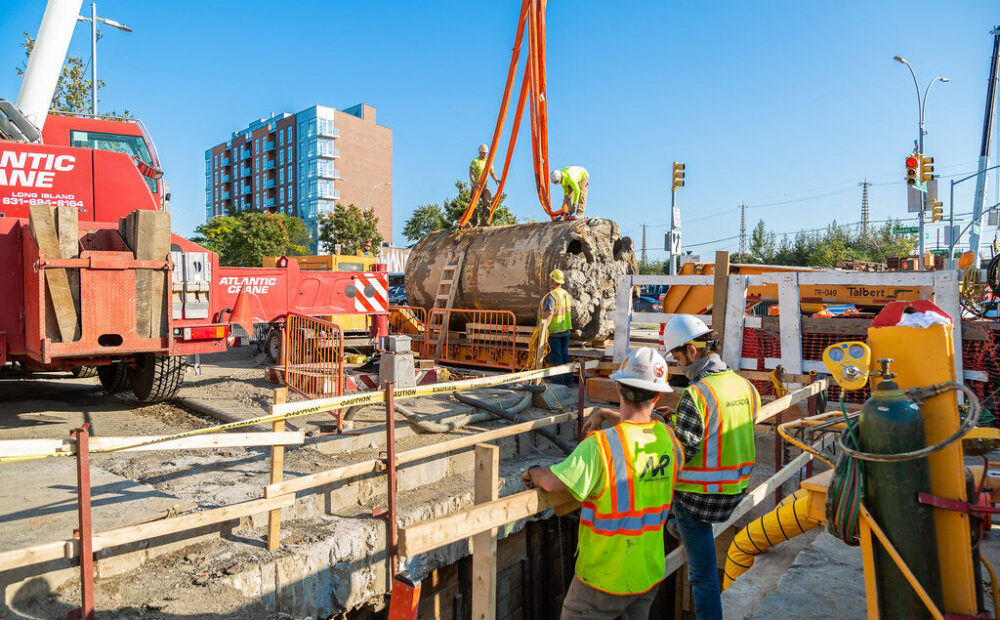
The Texas construction industry continues to rank among the most active and influential construction markets in the United States. Strong population growth, business expansion, infrastructure investment, and industrial development continue to create opportunities across residential, commercial, transportation, and energy sectors.
Texas remains a major destination for companies relocating operations, manufacturers expanding production, and developers building new communities. Cities such as Houston, Dallas-Fort Worth, Austin, and San Antonio are experiencing rapid development driven by economic growth and increased demand for housing, office space, logistics facilities, and public infrastructure.
Several factors are shaping the future of construction in Texas. These include advanced construction technology, workforce challenges, sustainable building practices, semiconductor manufacturing investments, renewable energy projects, and large-scale transportation improvements.
As Texas moves through 2026 and beyond, contractors, developers, engineers, suppliers, and investors must understand the trends influencing the market. The following outlook explores the major forces driving the Texas construction industry, emerging opportunities, and significant projects transforming the state.
1. Strong Population Growth Continues to Drive Construction Demand
Population growth remains one of the biggest factors supporting the Texas construction industry. Texas has consistently attracted new residents because of employment opportunities, business-friendly policies, and relatively affordable living costs compared with many coastal states.
According to demographic trends, major metropolitan areas continue to expand rapidly. The Dallas-Fort Worth region, Houston, Austin, and San Antonio are among the fastest-growing urban areas in the country.
This population increase creates demand for:
- New residential communities
- Apartment developments
- Schools and universities
- Healthcare facilities
- Retail centers
- Roads and public infrastructure
Residential Construction Expands Across Major Texas Cities
Housing demand remains strong throughout the state. Developers continue building single-family homes, master-planned communities, and multifamily developments to accommodate growing populations.
The Dallas-Fort Worth area has experienced significant residential construction activity because of corporate relocations and employment growth. Suburbs such as Frisco, Celina, Prosper, and McKinney continue attracting residential investment.
Houston also remains a major residential market due to population growth and expanding employment opportunities in energy, healthcare, manufacturing, and technology.
Affordable Housing Becomes a Growing Priority
Rising construction costs and higher interest rates have increased pressure on housing affordability. Developers and policymakers are focusing on solutions such as:
- Higher-density housing
- Mixed-use developments
- Modular construction
- Public-private housing partnerships
The demand for affordable housing will remain an important factor shaping future construction projects across Texas.
2. Infrastructure Investment Fuels Major Transportation Projects
Infrastructure development represents a major growth area for the Texas construction industry. The state continues investing billions of dollars into highways, bridges, airports, ports, and public transportation systems.
Texas has one of the largest transportation networks in the United States. Maintaining and expanding this network supports economic growth and population expansion.
Highway Expansion Projects Increase Construction Activity
Major highway projects continue across Texas metropolitan areas.
Examples include:
Interstate 35 Expansion
The expansion of Interstate 35 through Austin and Central Texas remains one of the largest transportation projects in the state. The project aims to improve mobility, reduce congestion, and support regional economic growth.
Houston Highway Improvements
Houston continues investing in highway improvements to address congestion caused by population growth. Projects involving Interstate 45 and other major corridors are reshaping transportation infrastructure in the region.
Dallas-Fort Worth Transportation Growth
The rapid expansion of the Dallas-Fort Worth metroplex continues driving demand for road improvements, tollway expansions, and transit infrastructure.
Airport Construction Supports Regional Growth
Texas airports are undergoing major modernization projects due to increased passenger demand and economic activity.
Major airport developments include:
- Dallas Fort Worth International Airport expansion
- Austin-Bergstrom International Airport improvements
- Houston airport modernization programs
Airport construction creates opportunities for general contractors, specialty contractors, architects, engineers, and suppliers.
3. Semiconductor and Advanced Manufacturing Projects Transform Texas Construction
Advanced manufacturing has become one of the fastest-growing segments of the Texas construction industry.
Texas has attracted major investments from semiconductor manufacturers, technology companies, and industrial firms seeking new production facilities.
Semiconductor Manufacturing Creates New Construction Demand
The global demand for semiconductor chips has encouraged companies to establish manufacturing facilities in Texas.
Large semiconductor projects require:
- Advanced cleanroom facilities
- Electrical infrastructure
- Mechanical systems
- Specialized engineering
- High-performance building materials
These projects provide opportunities for contractors specializing in industrial construction and advanced manufacturing facilities.
Samsung Expansion in Central Texas
One of the most significant developments is the continued expansion of semiconductor manufacturing operations in the Austin region.
Large technology investments have increased demand for:
- Industrial buildings
- Data infrastructure
- Utility systems
- Supporting commercial developments
The growth of semiconductor manufacturing strengthens Texas’ position as a national technology and manufacturing hub.
4. Energy Construction Remains a Core Driver of the Texas Market
Energy continues to play a central role in the Texas construction industry. The state remains a global leader in oil and gas production while also becoming one of the largest renewable energy markets in the country.
Oil and Gas Construction Maintains Strong Presence
Texas continues to support extensive energy infrastructure, including:
- Processing facilities
- Pipelines
- Storage facilities
- Industrial plants
- Refinery upgrades
The Permian Basin remains a major center for energy investment. Construction companies supporting energy projects continue to find opportunities in West Texas.
Renewable Energy Projects Expand Across Texas
Texas leads the United States in wind energy production and has experienced rapid solar energy growth.
Large renewable energy projects require construction services such as:
- Civil engineering
- Electrical installation
- Site preparation
- Transmission infrastructure
The transition toward cleaner energy sources is creating new opportunities for contractors specializing in renewable infrastructure.
5. Data Centers Become a Major Construction Sector
The growth of cloud computing and artificial intelligence is increasing demand for data centers throughout Texas.
The state offers several advantages for data center development:
- Available land
- Strong energy infrastructure
- Business-friendly policies
- Growing technology workforce
Dallas-Fort Worth Emerges as a Data Center Hub
The Dallas-Fort Worth region has become one of the largest data center markets in the United States.
Construction activity includes:
- Large-scale server facilities
- Electrical substations
- Cooling systems
- Security infrastructure
Artificial Intelligence Drives Future Demand
AI applications require significant computing power. As companies invest in artificial intelligence infrastructure, demand for specialized data center construction is expected to increase.
Mechanical, electrical, and plumbing contractors will play a critical role in supporting these developments.
6. Commercial Construction Adapts to Changing Market Conditions
Commercial construction in Texas is experiencing transformation as businesses adjust to changing workplace trends.
While traditional office construction has slowed in some markets, other commercial sectors continue expanding.
Mixed-Use Developments Gain Popularity
Developers are increasingly focusing on mixed-use projects that combine:
- Residential buildings
- Retail spaces
- Restaurants
- Entertainment venues
- Office facilities
These developments create vibrant communities while maximizing land use.
Healthcare Construction Continues Growing
Healthcare remains one of the strongest commercial construction segments in Texas.
Population growth and aging demographics are increasing demand for:
- Hospitals
- Medical centers
- Specialty clinics
- Research facilities
Major healthcare systems continue expanding campuses across major Texas cities.
7. Construction Technology Improves Project Delivery
Technology adoption is reshaping how companies operate within the Texas construction industry.
Contractors are increasingly using digital tools to improve productivity, safety, and project management.
Building Information Modeling (BIM)
BIM technology allows project teams to create digital models before construction begins.
Benefits include:
- Improved coordination
- Reduced errors
- Better cost control
- Faster project delivery
Artificial Intelligence and Automation
AI tools are helping construction companies analyze data, manage schedules, and improve decision-making.
Applications include:
- Predictive project analysis
- Automated estimating
- Safety monitoring
- Equipment management
Modular and Prefabricated Construction
Off-site construction methods are becoming more common because they reduce project timelines and labor requirements.
Modular construction is gaining attention for:
- Housing projects
- Healthcare facilities
- Commercial buildings
8. Skilled Labor Shortages Remain a Major Challenge
Despite strong growth, the Texas construction industry faces workforce challenges.
The demand for skilled workers continues increasing as more projects enter development.
High Demand for Skilled Trades
Contractors continue seeking workers in areas such as:
- Electrical trades
- Plumbing
- Welding
- Heavy equipment operation
- Concrete work
- HVAC installation
Workforce Development Programs Expand
Construction companies, trade schools, and government organizations are investing in workforce training.
Programs focusing on apprenticeships and technical education aim to create a stronger pipeline of skilled workers.
Addressing labor shortages will remain essential for maintaining construction growth across Texas.
9. Sustainability Shapes Future Construction Projects
Sustainable construction practices are becoming increasingly important throughout Texas.
Developers are adopting green building strategies to reduce operating costs and meet environmental goals.
Energy-Efficient Buildings Increase
Modern projects increasingly include:
- Solar systems
- Efficient HVAC technology
- Smart building systems
- Improved insulation
Green Building Certifications Gain Attention
Many developers pursue certifications such as LEED to demonstrate environmental responsibility.
Sustainable construction helps reduce energy consumption while improving long-term building performance.
10. Major Texas Construction Projects to Watch
Several large-scale developments are expected to influence the Texas construction market in coming years.
Texas Central High-Speed Rail
The proposed high-speed rail connection between Dallas and Houston represents one of the most ambitious transportation projects in Texas.
The project could create demand for:
- Civil construction
- Rail infrastructure
- Engineering services
- Transportation contractors
ExxonMobil and Energy Corridor Developments
Houston continues attracting major corporate and energy-related developments. Office campuses, industrial facilities, and infrastructure improvements remain important construction drivers.
Space Industry Construction in South Texas
The growth of commercial space activity has increased construction demand in South Texas.
New facilities require:
- Manufacturing buildings
- Launch infrastructure
- Support facilities
The expansion of the space economy creates new opportunities for specialized contractors.
Future Outlook for the Texas Construction Industry
The future of the Texas construction industry remains positive despite challenges related to labor availability, material costs, and economic uncertainty.
Several long-term trends will continue shaping the market:
- Population growth will support residential construction.
- Technology investment will increase industrial development.
- Infrastructure spending will create transportation projects.
- Renewable energy will expand construction opportunities.
- Data centers will drive specialized building demand.
Companies that adopt technology, invest in skilled workers, and understand changing market needs will be positioned for long-term success.
Conclusion: Texas Construction Market Continues Expanding
The Texas construction industry remains one of the strongest construction markets in the United States. Population growth, infrastructure investment, energy development, manufacturing expansion, and technology projects continue creating opportunities across multiple sectors.
From major transportation improvements to advanced manufacturing facilities and renewable energy projects, Texas continues attracting investment from companies and developers worldwide.
As the market evolves, contractors and construction professionals must adapt to new technologies, sustainability requirements, and workforce challenges. Businesses that embrace innovation and strategic planning will play a major role in shaping the future of construction across Texas.
Leave a Reply