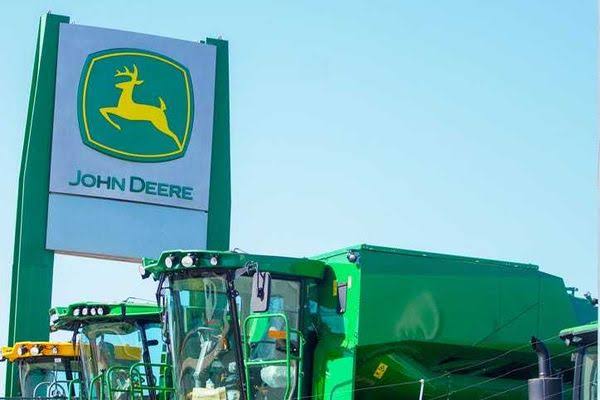
Deere & Company has agreed to settle a federal lawsuit over its repair practices, ending a long-running dispute over farmers’ ability to repair their own equipment. Under the agreement with the U.S. Federal Trade Commission (FTC) and five states, the agricultural equipment manufacturer will provide farmers and independent repair providers with the same repair resources available to its authorized dealers for the next 10 years.
The settlement marks a significant development in the growing right-to-repair movement and could reshape how advanced agricultural machinery is serviced across the United States.
Settlement Opens Dealer-Level Repair Resources
The FTC alleged that Deere restricted access to proprietary diagnostic software and electronic repair tools, leaving farmers dependent on the company’s authorized dealer network for many repairs.
Under the settlement, Deere must make dealer-level repair resources available to farmers and independent repair businesses. These resources include diagnostic software, electronic repair tools, technical manuals and future repair technologies that become available to most authorized dealers.
The agreement also requires Deere to provide public information about the available repair resources and instruct its dealer network to inform customers that these tools can be accessed independently.
Federal and state regulators, including Illinois, Arizona, Michigan, Minnesota and Wisconsin, will monitor Deere’s compliance throughout the 10-year period.
Repair Capabilities Expand Beyond Basic Maintenance
Modern agricultural equipment relies on sophisticated electronic control systems that require specialized diagnostic software to complete many repairs.
Under the settlement, farmers and independent repair providers will gain access to functions that previously remained exclusive to authorized dealerships, including:
- Reading, clearing and resetting electronic fault codes.
- Reprogramming electronic control modules.
- Restarting equipment following emissions-related shutdowns.
- Accessing searchable technical manuals and service information.
- Using future repair resources once they become available to most authorized dealers.
These capabilities allow technicians to perform complex electronic repairs that extend well beyond traditional mechanical maintenance.
FTC Says Competition Will Reduce Repair Costs
The FTC argued that Deere maintained monopoly power over repair services by limiting access to essential software required for electronic repairs on its equipment.
According to the agency, those restrictions increased repair costs for farmers while creating service delays during critical planting and harvesting seasons.
Daniel Guarnera, Director of the FTC’s Bureau of Competition, said the settlement restores farmers’ long-standing ability to repair their own equipment without relying exclusively on authorized dealerships. He added that expanding repair access should help lower operating costs across the agricultural sector.
FTC Chairman Andrew Ferguson also described competition within agriculture as essential to supporting American farmers and preserving competitive markets.
Deere Highlights Ongoing Customer Support Strategy
Deere did not admit wrongdoing as part of the settlement.
The company said the agreement reinforces its ongoing efforts to improve customer access to repair resources while maintaining flexibility for equipment owners.
Denver Caldwell, Deere’s Vice President of Aftermarket and Customer Support, said producers expect flexible, high-quality repair capabilities and that the company intends to continue expanding those services.
The settlement still requires approval from U.S. District Judge Iain Johnston before taking full effect.
Latest Development in Broader Legal Challenges
The federal case represents only one of several legal challenges Deere has faced regarding repair access.
In April, the company agreed to pay $99 million to resolve a federal class-action lawsuit alleging that it monopolized repair services for large agricultural equipment sold after January 10, 2018. That settlement covers customers who paid authorized Deere dealers to perform repairs during the affected period.
The latest FTC agreement focuses on future repair access rather than financial compensation, establishing long-term requirements governing how repair tools and software are distributed.
Right-to-Repair Movement Continues to Gain Momentum
The Deere settlement reflects broader changes taking place across industries where software increasingly controls equipment operation.
Right-to-repair advocates have pushed manufacturers of tractors, automobiles, smartphones and other connected products to provide independent repair businesses with the same diagnostic information available to authorized service networks.
As construction and agricultural equipment become more digitally integrated, software access has become as important as access to replacement parts. Machines now rely on electronic control units, emissions systems, onboard diagnostics and firmware updates that often require manufacturer-specific software.
Industry observers expect the Deere agreement to influence future discussions involving heavy equipment manufacturers, independent service providers and regulators seeking to balance intellectual property protection with competitive repair markets.
Implications for Equipment Owners
For farmers and fleet operators, the settlement could improve equipment uptime by expanding repair options and reducing dependence on dealer availability during peak operating periods.
Independent repair providers will gain access to advanced diagnostic capabilities previously unavailable outside Deere’s dealer network, potentially increasing competition within the agricultural equipment service market.
While the agreement specifically applies to Deere, it represents another milestone in the evolving right-to-repair landscape as manufacturers, regulators and equipment owners adapt to increasingly software-driven machinery.
Leave a Reply